As the sun goes down on 31 October, Samhain begins. Long before pumpkins and last-minute costume madness, this was the night the Gaelic world marked the end of the harvest and the start of winter. We've been reading up on it this week, partly out of curiosity and partly because so much of what we do at Blue Spaces is about paying attention to the season you're actually in. Here's what's genuinely known, what's folklore, and what we think is still worth borrowing.
What Samhain actually was
Samhain is the Irish and Scottish Gaelic name for the festival on 1 November, and it's still the word for the month of November in both languages. Because the old Gaelic day ran from sunset to sunset, the festival started the evening before, which is why the night of 31 October matters so much.
The name comes from Old Irish samain. It's often translated as "summer's end", though some linguists now argue it comes from a word meaning "assembly". Both are pretty apt.
The roots go back further than anything written down. Some Neolithic passage tombs in Ireland, including the Mound of the Hostages on the Hill of Tara, are aligned with the rising sun around the time of Samhain and of Imbolc in early February.
Samhain appears in some of the earliest Irish literature. The old tales describe great gatherings: meetings, feasts, drinking, contests, and a peace declared while they lasted. One tells of a Feast of Tara held every seventh Samhain, when new laws were made.
Bringing the cattle home
At its heart, Samhain was practical. This was the point in the farming year when cattle were brought down from the summer pastures, and decisions were made about which animals could be fed through the winter and which would be slaughtered. The food was in. The days were shortening fast. It was time to take stock.
Fire mattered too. Bonfires were lit on hilltops, and in many places household fires were put out and relit from the communal blaze. In parts of Scotland, people carried torches sun wise around their homes and fields.
The thin night
Samhain was also seen as a time when the boundary between this world and the Otherworld wore thin. One medieval Irish text says the sídhe, the fairy mounds, "were always open at Samhain". In later folk custom, the souls of the dead were thought to come home, and families set a place for them at the table or by the fire.
There were divination games too, many of them using apples and hazelnuts, to find out who you might marry or what the coming year would bring. Robert Burns describes country folk gathering "to burn their nits, an' pou their stocks" in his 1785 poem Halloween.
How it became Halloween
The word Halloween itself is a Scottish shortening of All Hallows' Eve, the night before All Saints' Day on 1 November, a feast churches in Ireland and Northumbria were keeping by around the year 800. Historians still debate how much the Christian feast and the older festival shaped each other.
Scotland kept plenty of its own customs. Guising, going door to door in disguise and performing a song or a poem for a treat, is recorded here from the 16th century.
A note on what we don't know. You'll often read that Samhain was "the Celtic New Year". That idea comes from 19th-century scholars, mainly John Rhys and James Frazer, and Frazer himself admitted the evidence was inconclusive. The historian Ronald Hutton argues it's weak, and points out that the old tales say very little about actual religious rites.
What we're borrowing this year
Look at what you're carrying into winter. Most of us reach this point in the year with more on the go than we meant to. Commitments that made sense earlier in the year, plans that have stalled, things we agreed to because it was easier than saying no. It's worth sitting down with a list and working out what you can realistically keep going through the darker months, and what can wait or stop.
Expect to slow down. Plenty of people find their energy drops as the evenings draw in. If mornings feel harder than they did in August, it may simply be the time of year rather than something you need to fix.
Into the darker half, together
Samhain was never a solitary festival. It was about gathering in: people, animals, food, warmth. That's very much the spirit of our winter weekend in Scotland.
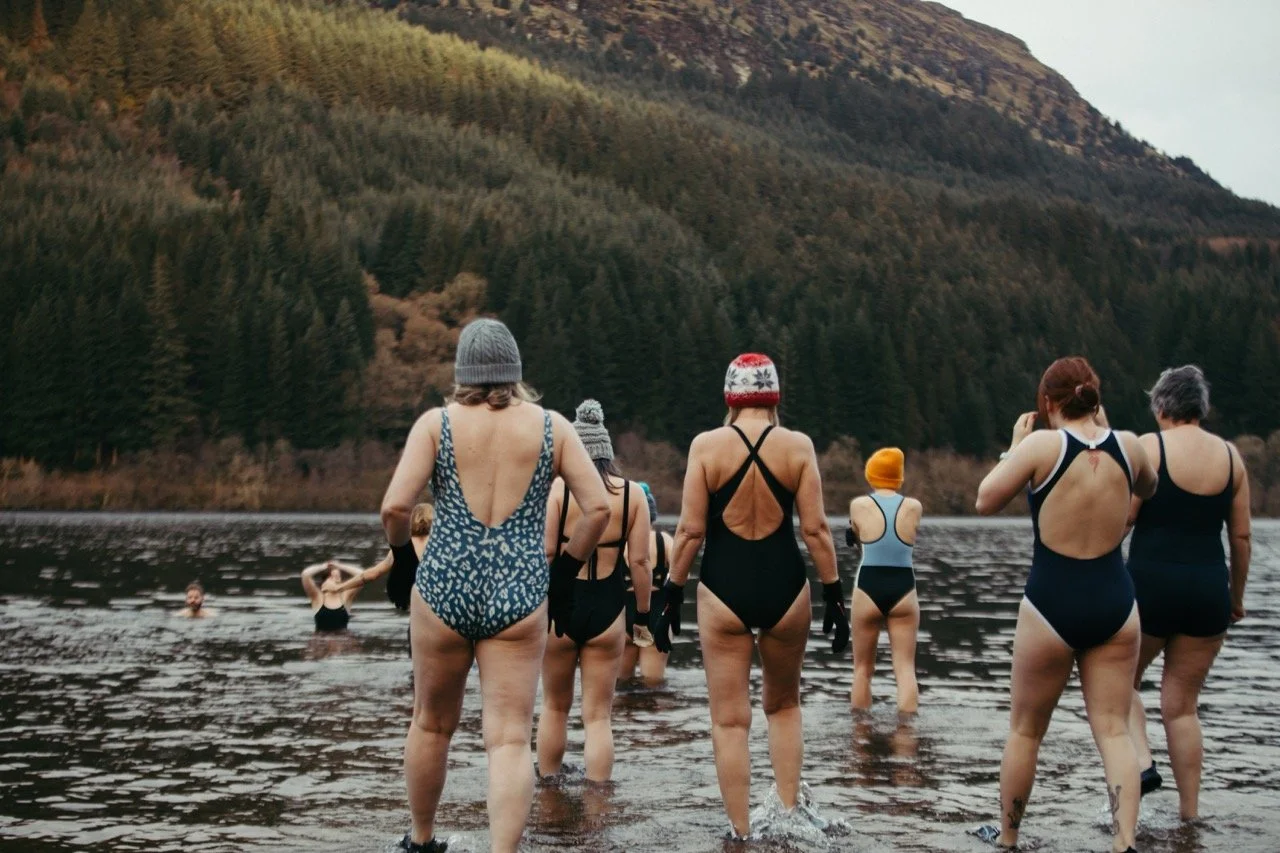
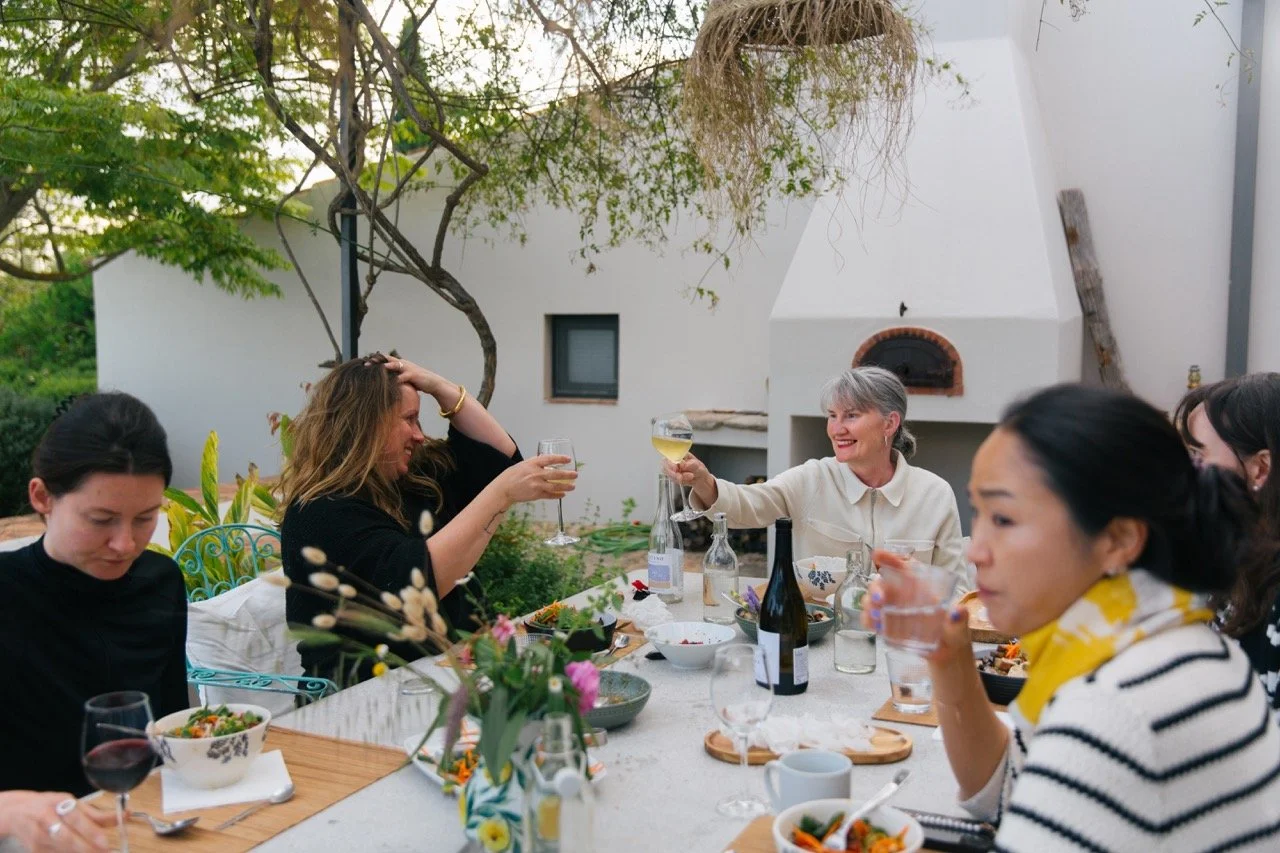
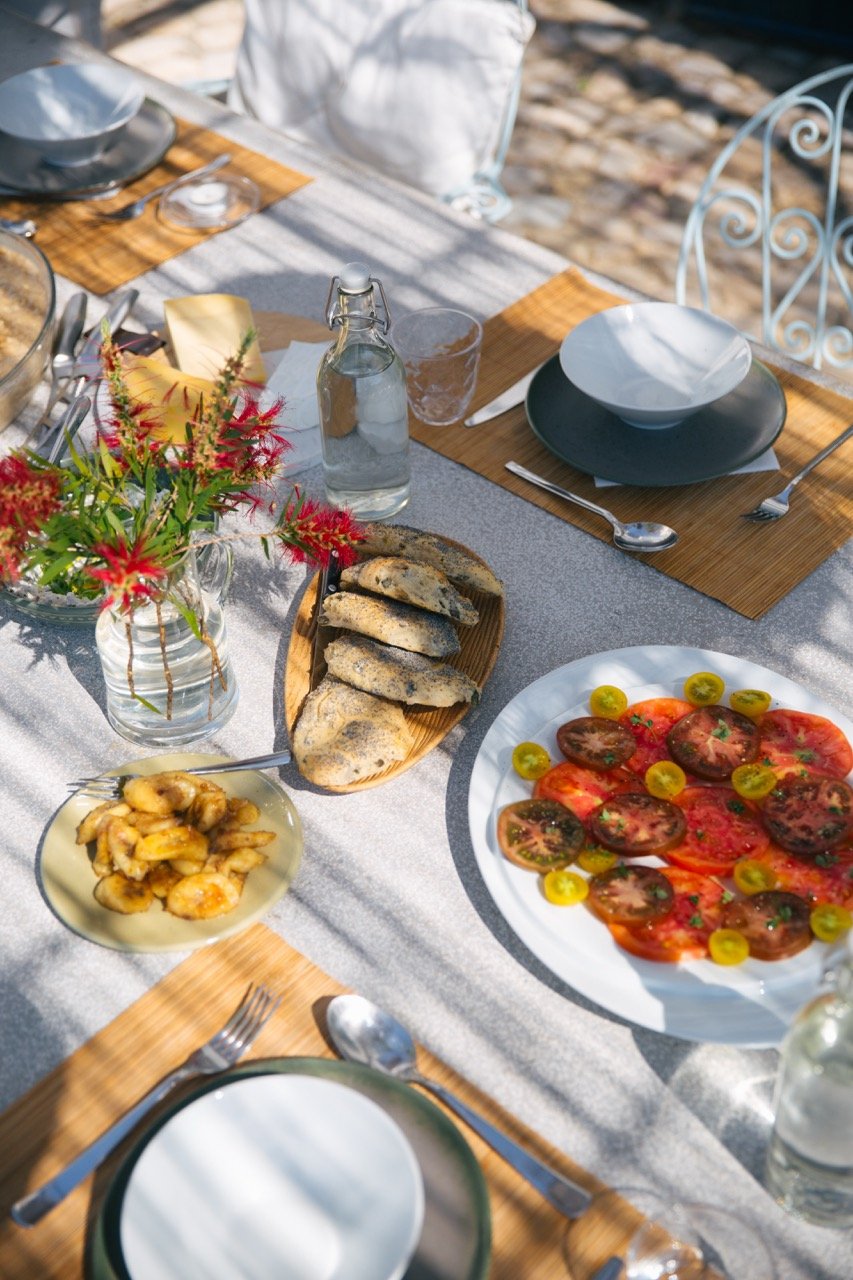
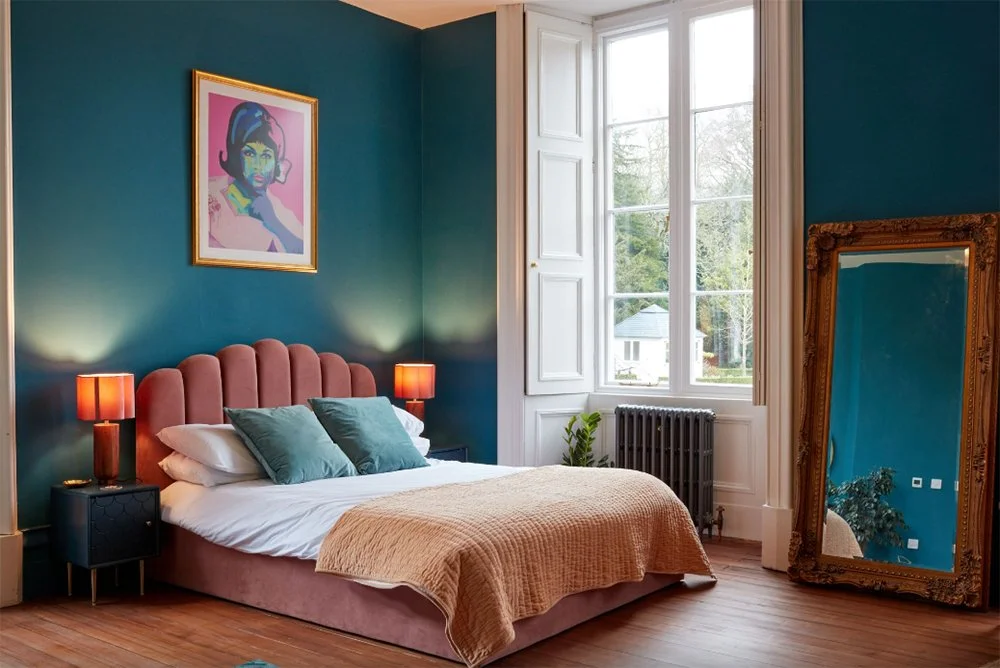
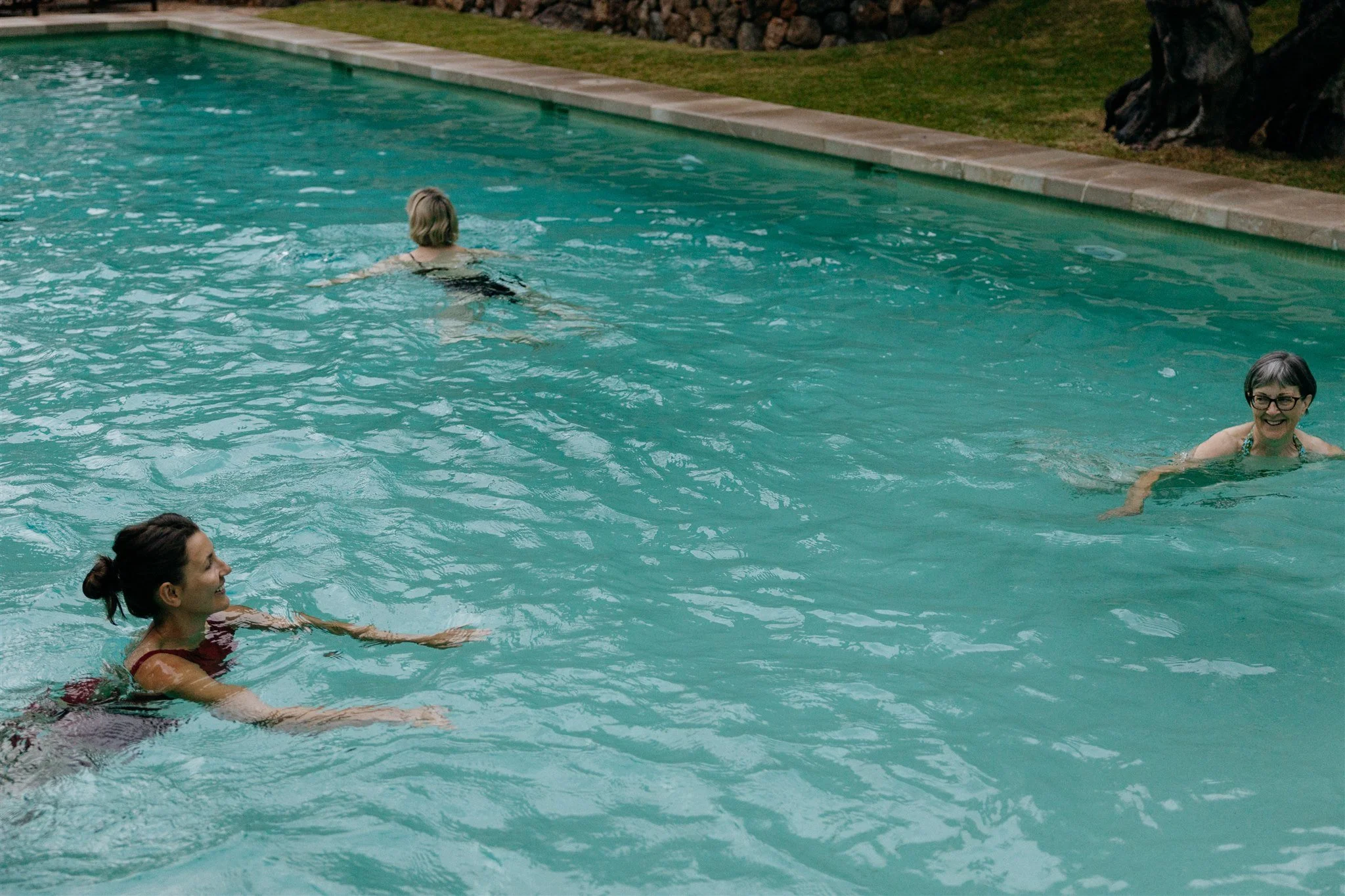
From 29 to 31 January 2027 we'll be at Netherbyres House in Eyemouth, on the Scottish Borders coast, for three days of slowing right down. There's an optional sea dip in the harbour, a barrel sauna in the garden, candlelit restorative yoga in the evenings, and long dinners around one big table, cooked from local seasonal produce. Nothing is compulsory, and beginners are very welcome.
If you'd like to spend some of the darker half of the year with us, you'll find all the details here: Join us in Scotland this winter.
Happy Samhain from us both.