On Hope, Connection and the Small Things That Sustain Us
Reflections on hope, community and what it means to create space for ourselves and one another.
This summer, I was fortunate enough to spend five days at Corrymeela, a peacebuilding community in Northern Ireland. There were more than 75 of us gathered from across the world, including people from places experiencing active conflict. We came together for five days of conversation, reflection and, at times, some quite uncomfortable discussions about hope. What is hope? Where does it come from? How do we sustain it? And perhaps most importantly, how do we nurture it when the world around us gives us so many reasons not to feel hopeful?
I've been thinking about those conversations a great deal since coming home, particularly as Nikita and I prepare to welcome another group of people on retreat. I've been reflecting on how hope, connection and the way we relate to one another are deeply intertwined, and how we might create more space for these things in our everyday lives.
Hope doesn't have to be grand
I think we often imagine hope as something enormous. An unwavering belief that everything is going to work out, something bright and optimistic, a conviction that things will get better. But I'm not sure that's always what hope looks like. Sometimes hope is tiny, a little flicker, something fragile, uncertain, perhaps even a bit pathetic. And I don't mean pathetic unkindly. I mean that sometimes hope can feel almost embarrassingly small in comparison to the enormity of what we're facing.
We can look at the world, at conflict, suffering, division and uncertainty, and wonder what possible difference our small acts of hope might make. But perhaps that's precisely where hope becomes important. Not because we can be certain that things will get better, but because we remain open to the possibility that they might, and because we can choose, even in very small ways, to nurture that possibility.
I don't think hope requires us to ignore reality. In fact, I think some of the most meaningful expressions of hope come from people who are deeply aware of how difficult things are. Hope doesn't have to mean denying grief, anger, fear or uncertainty. Those things can exist alongside it. Perhaps hope is less about how we feel and more about how we choose to engage with the world, even when we don't know what the outcome will be.
The spirituality of connection
Something that has stayed with me from this summer is how deeply spiritual human connection can feel. Not necessarily in a religious sense, but in the experience of being alongside other people, listening to their stories and recognising something of ourselves in one another, even when our lives and experiences are vastly different.
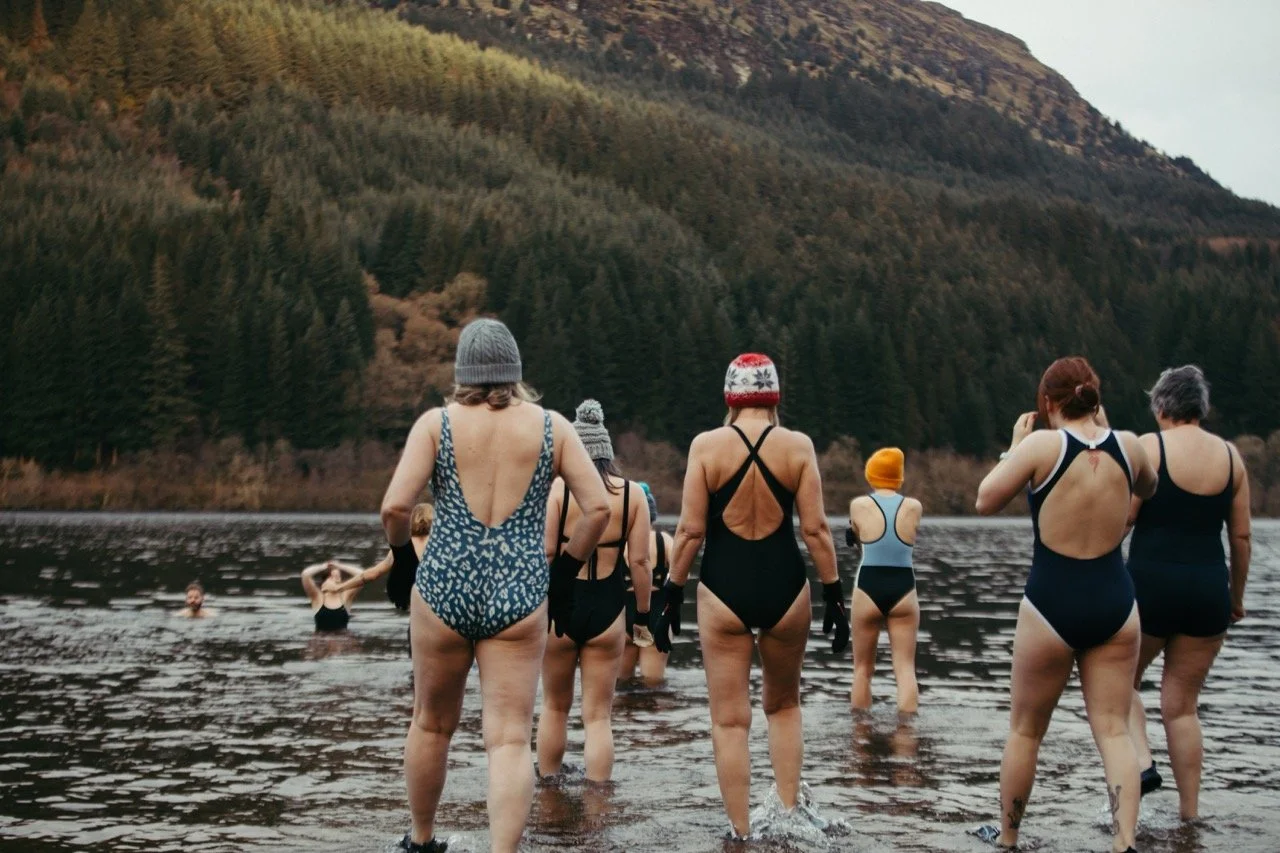
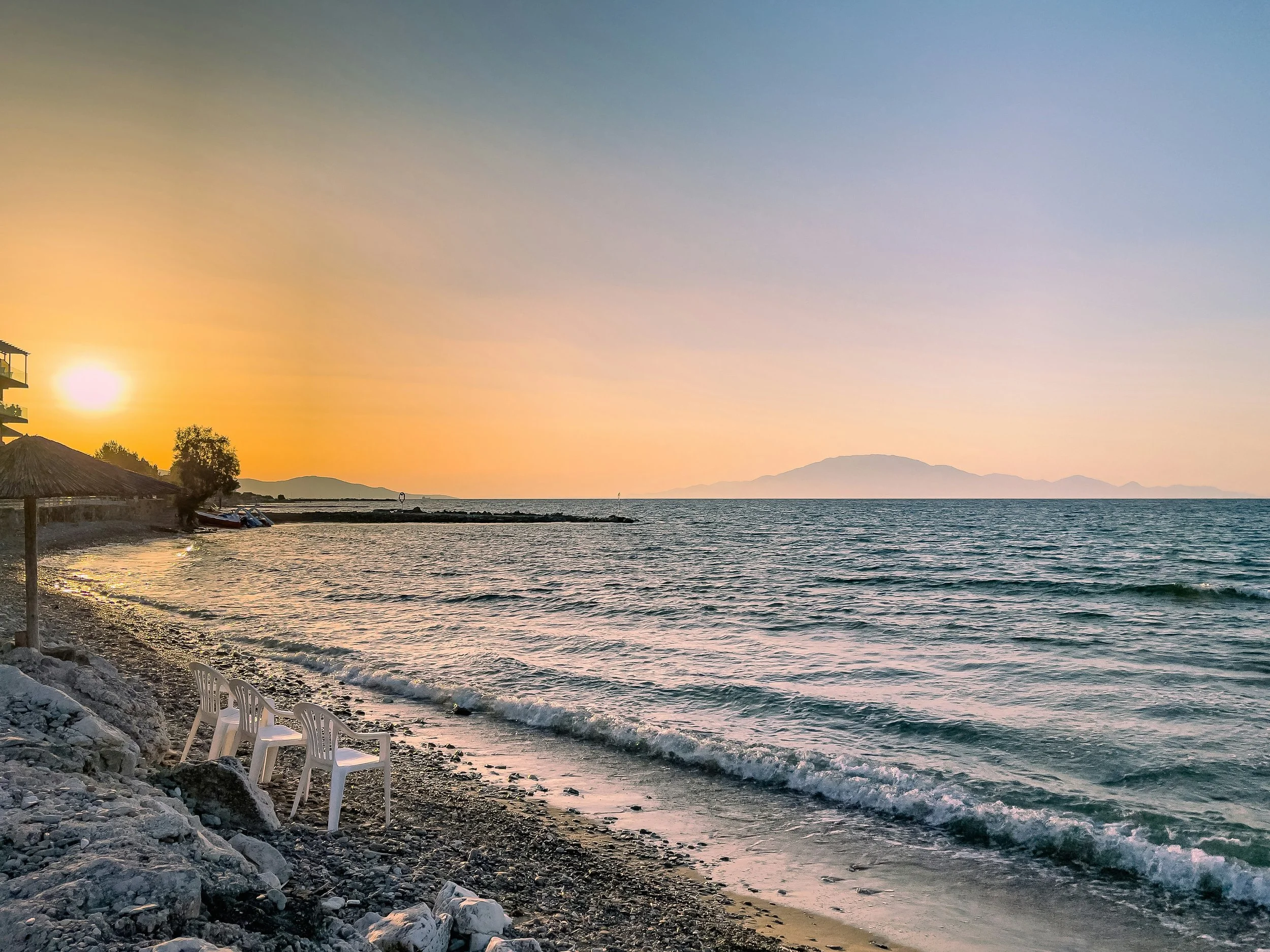
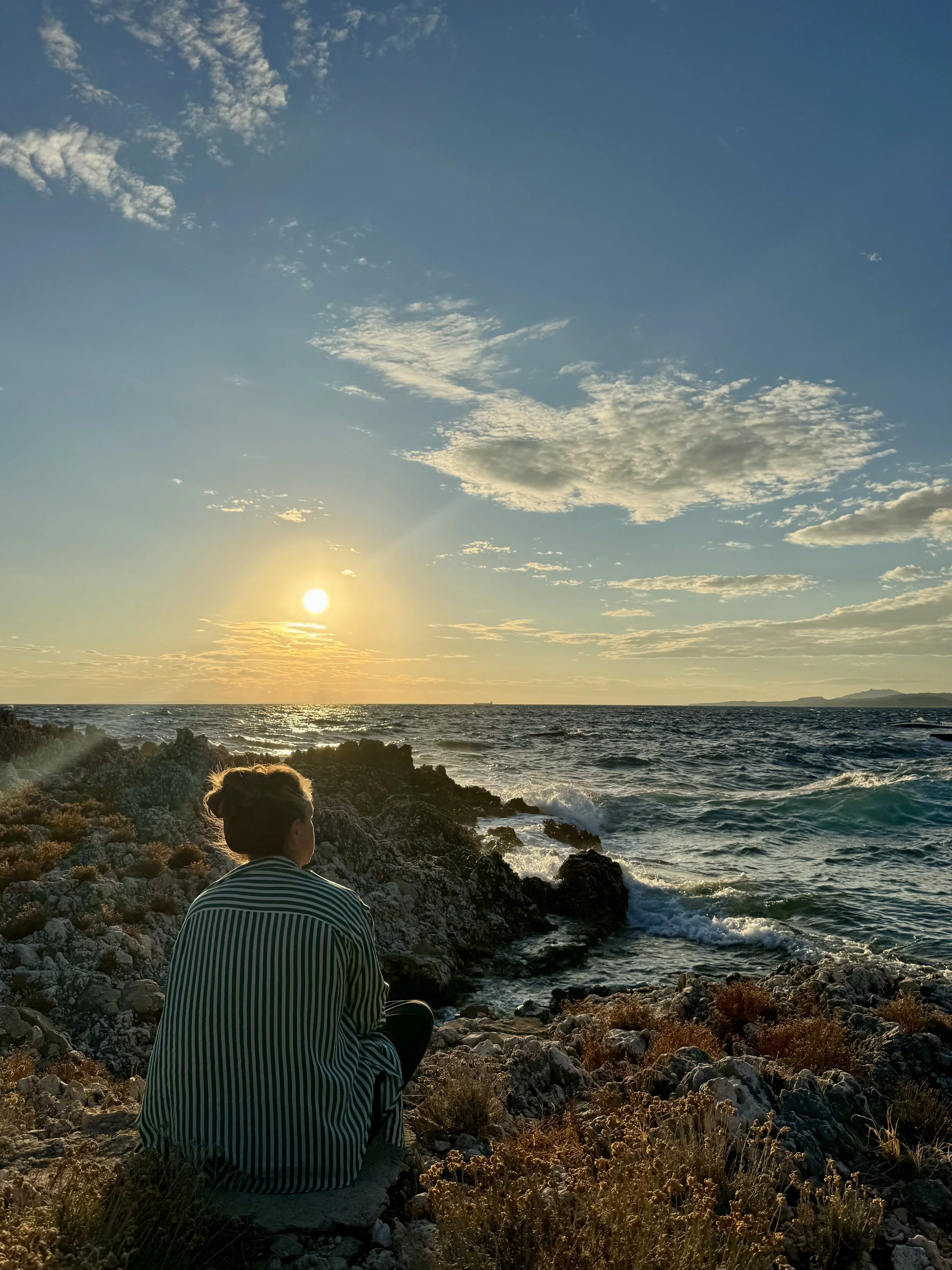
There is something about our relationship with the landscape too, the changing light, the sea, the simple act of being somewhere together. I think we can sometimes underestimate how much these things shape us, and how restorative it can be to feel part of something beyond ourselves.
We're constantly being shaped by our relationships with other people, our environments and the communities we find ourselves part of. And yet, I think it's something we can easily lose sight of. We're encouraged to focus so much on ourselves, our goals, our wellbeing, our personal development and our individual experiences. Even wellbeing itself can become another project of self-improvement.
But what if some of the most restorative experiences aren't simply about turning inward? What if they're also about turning towards one another? I think there's something important in recognising that our wellbeing isn't entirely an individual pursuit, and that feeling connected to other people, to a place and to something beyond ourselves can be just as nourishing as any practice we might do alone.
Retreat as a small community
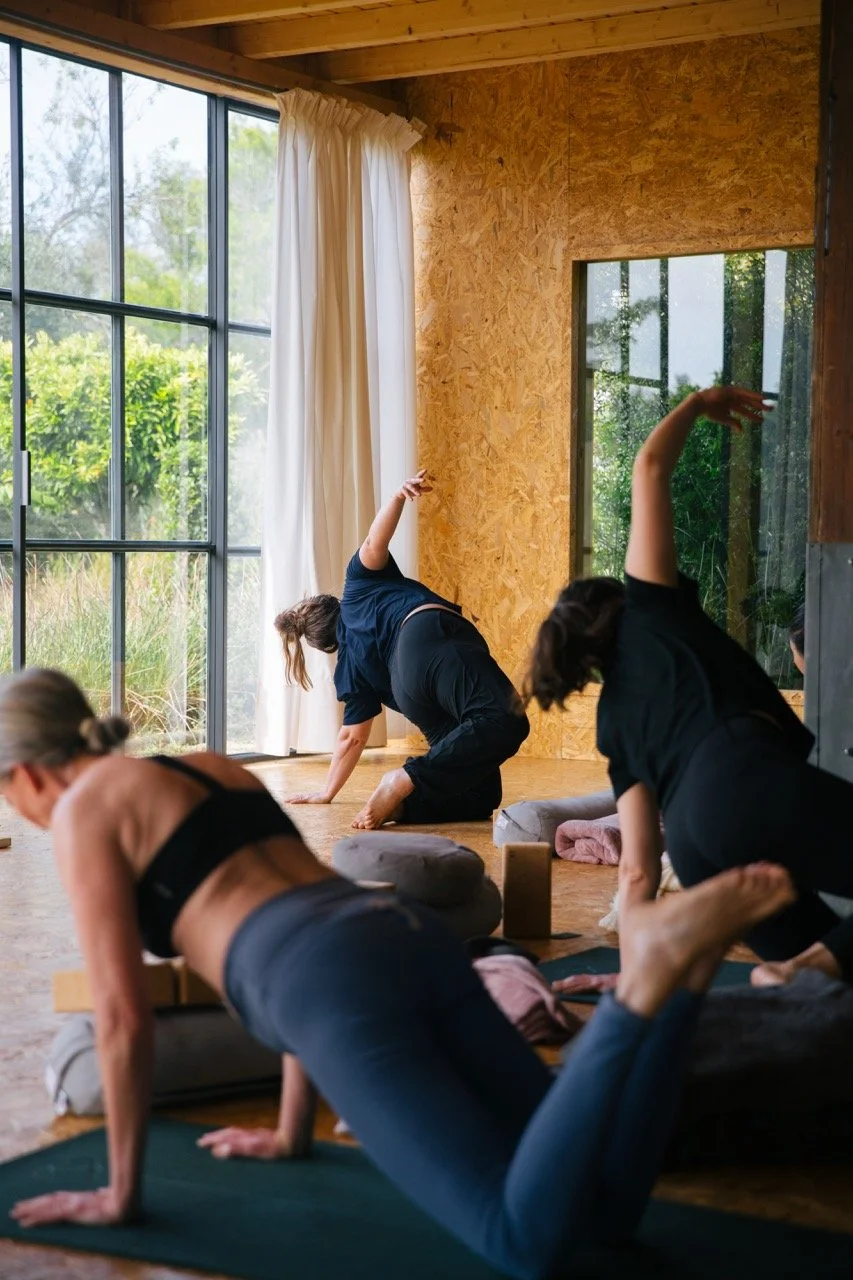
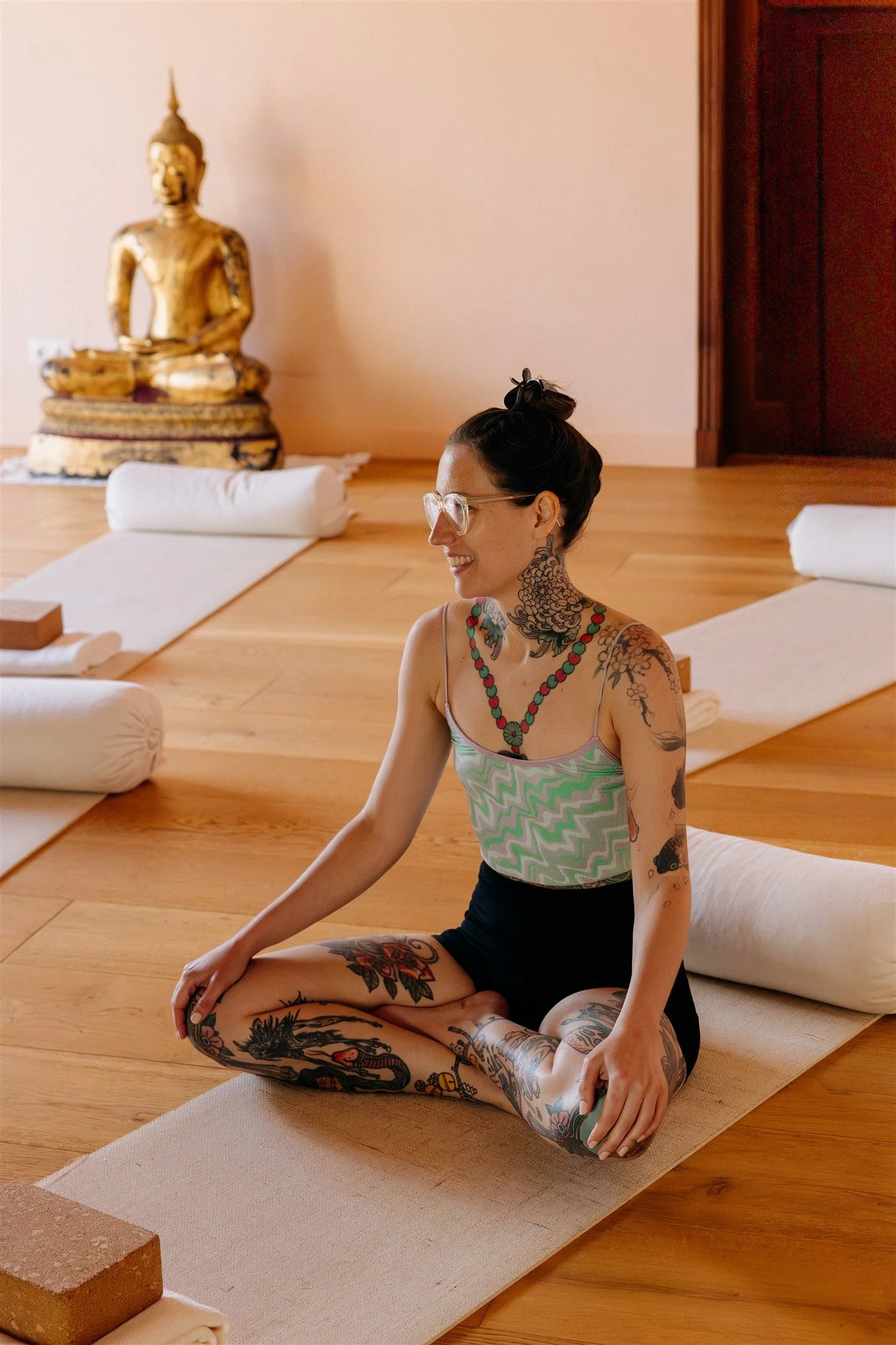
People come on retreat for all sorts of reasons. Some are looking for a holiday, some want to move their bodies, practise yoga, enjoy good food and spend time somewhere beautiful. Others are navigating significant changes in their lives. Perhaps they're grieving, feeling exhausted, coming to terms with something difficult or simply looking for a little space to work out where they are. And sometimes people don't really know why they've come. They just know they need a break. All of those reasons are valid.
One of the things I've come to appreciate about running retreats is that while we can plan the practices, the meals, the activities and the structure of the days, we can't entirely plan what happens between people. Each person arrives with their own experiences, perspectives, vulnerabilities and strengths, and together, for a few days, we create a little ecosystem. Everyone contributes something to it, whether they're aware of it or not.
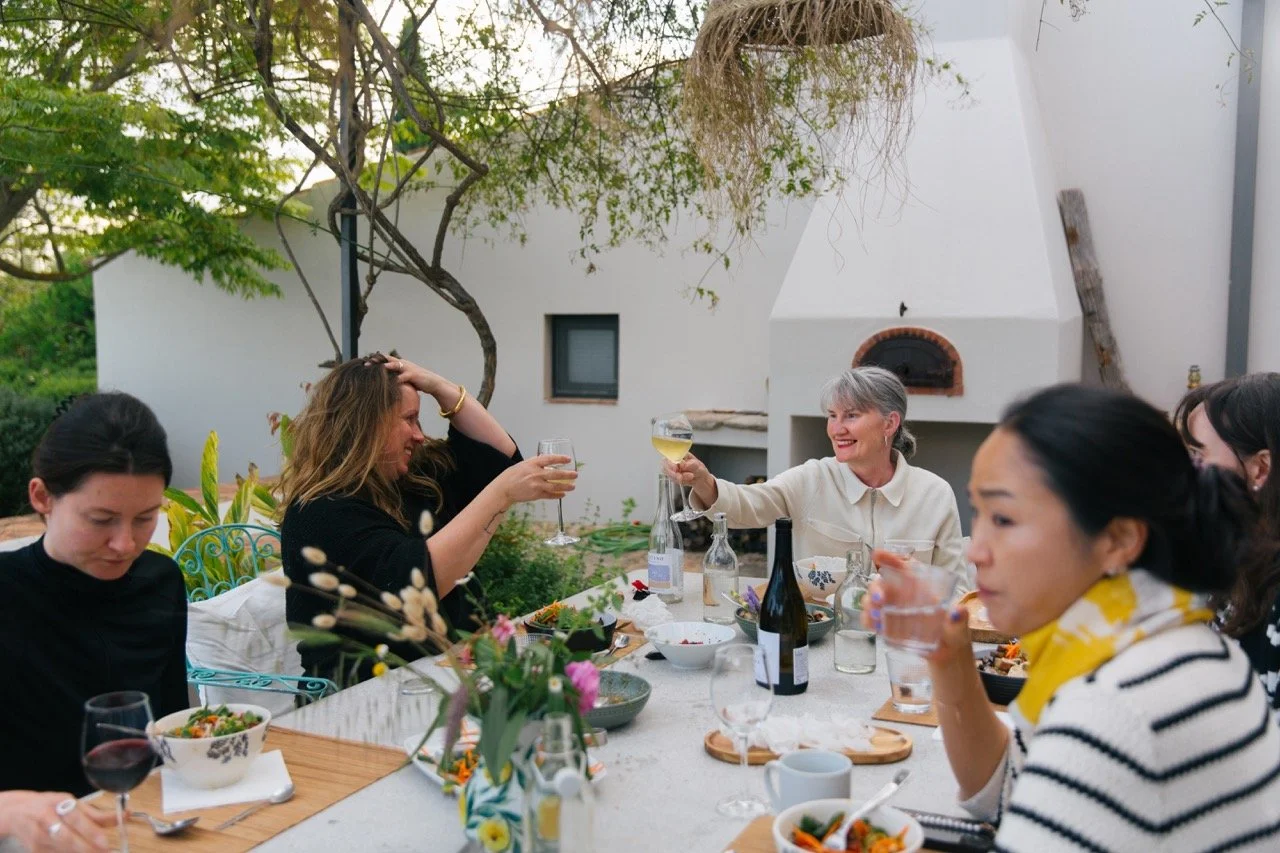
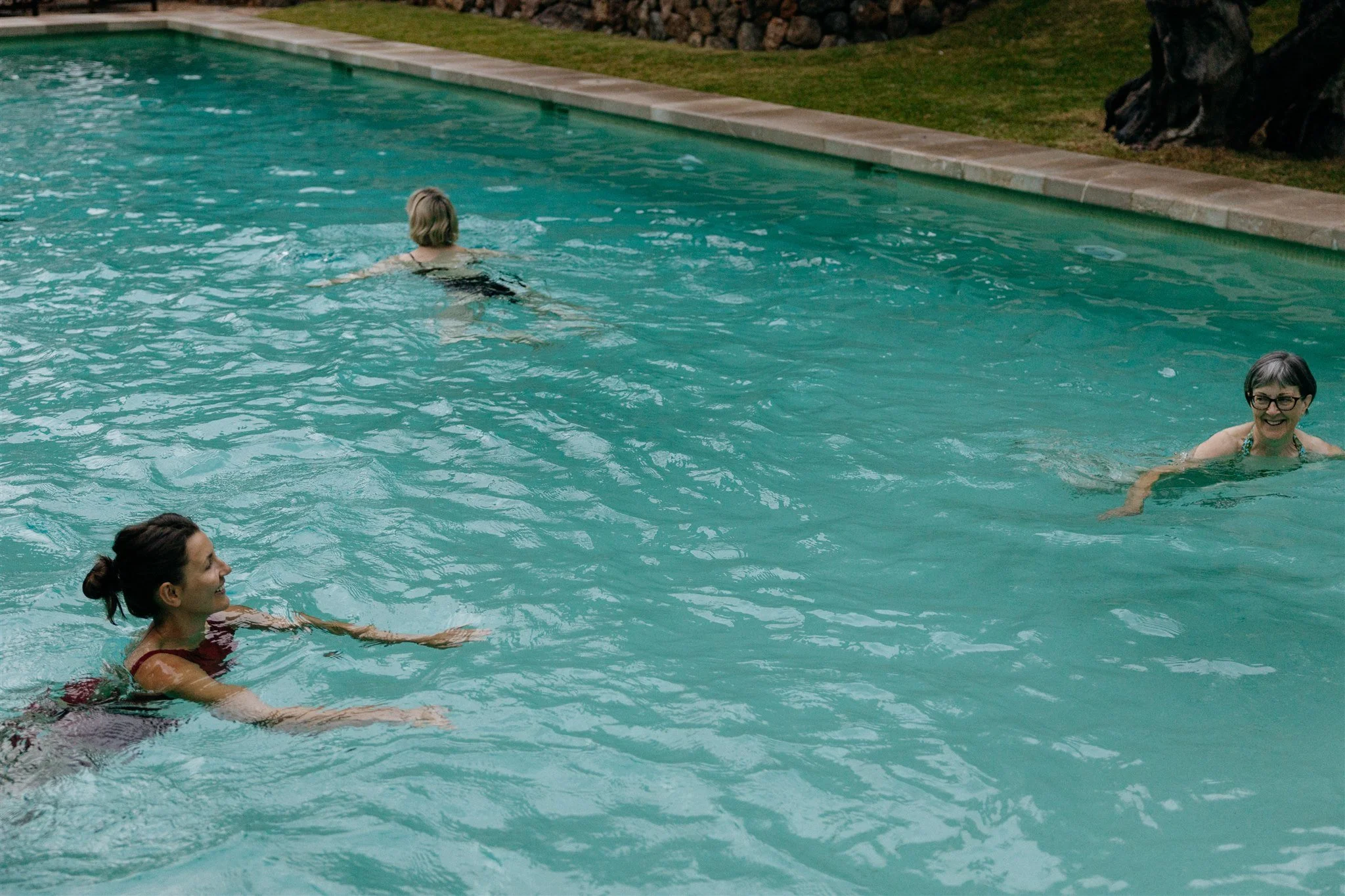
The conversations over breakfast, the laughter around the table, someone noticing another person needs a little space, a shared walk or a moment of kindness. These things might seem small, but I think they're often what make an experience meaningful. There's a kind of collective responsibility in that too. Not a pressure to perform or be endlessly sociable, but an awareness that how we show up affects the people around us, and that we all have something to offer.
Learning to listen
I've been thinking a lot about listening recently. Not listening so that we can respond, offer advice, share our own experience or find a solution, but simply listening. It's surprisingly difficult. We're so accustomed to filling silences, offering reassurance or trying to say something useful, and of course those things can come from a place of kindness. But sometimes the most generous thing we can offer another person is our attention.
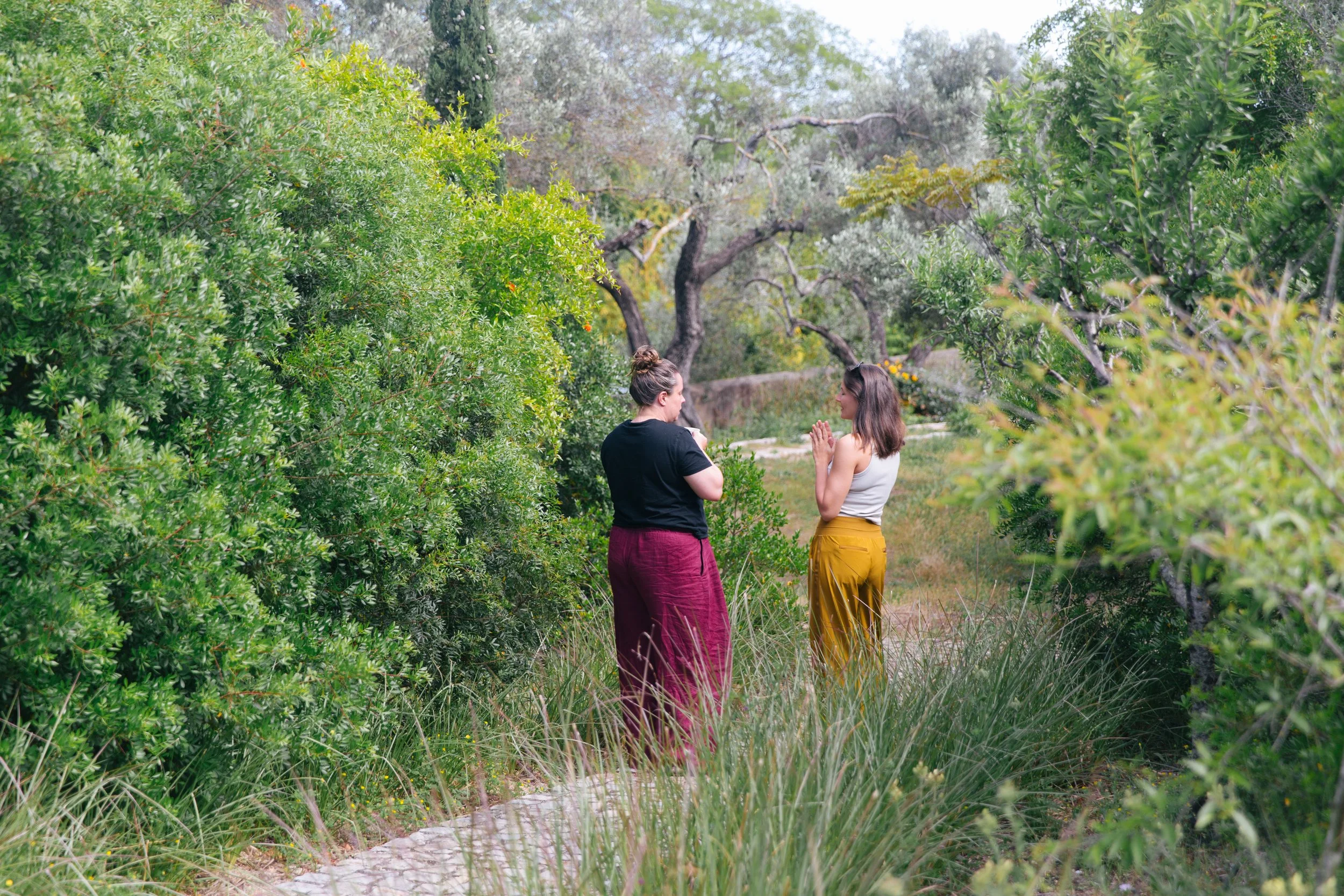
At the beginning of our retreat, I'm inviting everyone to find someone they haven't met before and spend two minutes answering a simple question: What does hope mean to you? The other person has only one task, to listen. No interruptions, no advice, no questions and no need to find common ground. Then they switch. Four minutes in total.
It sounds almost ridiculously simple, but I think there's something powerful about giving someone permission to speak without needing to be interesting, insightful or even certain of what they think. And there's something equally powerful about being listened to without feeling that you need to arrive at a conclusion. We don't often give one another that kind of attention, and perhaps it's something we could all benefit from practising a little more.
Making room for difference
We live in a world where opinions are often presented as absolute truths, where disagreement can quickly become division, and where uncertainty is sometimes treated as weakness. But I think we lose something important when we stop making room for nuance, particularly when we become so certain of our own position that we stop being curious about anyone else's.
One of the principles I want to encourage on retreat is simply to speak from the personal. Rather than saying, "This is how things are," we might say, "My experience has been..." or "My belief is..." It's a subtle difference, but I think it matters. It allows us to acknowledge that our understanding of the world is shaped by our own experiences, and that someone else's might be different. We don't have to agree, and we don't even have to understand one another completely, but perhaps we can remain curious.
And perhaps we can become a little more comfortable with saying, "I don't know." I love that idea, that we're allowed not to know, allowed to change our minds and allowed to sit with questions that don't have straightforward answers. There can be something wonderfully freeing about recognising that we don't need to have a fully formed opinion on everything, and that listening to another person's experience doesn't necessarily threaten our own.
Hope as something we practise
We're introducing another small idea on retreat this year. At the beginning of our time together, everyone will secretly be given the name of another person in the group, and their role is simply to become that person's secret guardian for a few days. Nothing elaborate, no gifts or grand gestures, just small acts of kindness. Making someone a cup of tea, leaving a little note, noticing when someone might need something or finding a way to make their day a little easier.
I love the simplicity of this, because perhaps hope isn't just something we think about or something we feel. Perhaps it's something we practise, something we nurture through our actions, our relationships and the choices we make about how we treat one another. And perhaps those small acts matter more than we realise, particularly when we consider how easily kindness can ripple outwards into the communities we're part of.
What nurtures your hope?
As I think about our time in Mallorca, I've been returning to this question. Not simply, "What gives you hope?" but "What nurtures your hope?" Because I think there's a difference. Hope isn't necessarily something that arrives fully formed. Sometimes it needs our attention and care, and sometimes we have to be quite deliberate about creating the conditions in which it can grow.
Perhaps it's nurtured through time outside, movement, rest or moments of quiet. Perhaps it's through friendship, laughter, meaningful conversations or feeling part of a community. Perhaps it's through witnessing someone else's kindness, or finding that we can still be kind ourselves when things feel difficult. And perhaps sometimes we don't know what nurtures our hope at all. That's okay too. I don't think we need to turn hope into another thing to achieve, another expectation to place on ourselves or another reason to feel that we're somehow falling short.
I don't think there's a neat definition of hope or an answer to how we fix the many difficulties facing our world. But I do think there's something meaningful in being willing to sit with one another, to listen, to remain curious and to acknowledge our differences without immediately turning away.
Even when we can't change the enormous things happening around us, we can still influence the small ecosystems we're part of. Our families, friendships, communities and the spaces we create together. I don't think that means small acts of kindness are a substitute for the bigger changes our world needs, but I do think they matter. They shape the way we live alongside one another, and perhaps they help us hold on to something human when things feel particularly difficult.
And maybe that's where we begin. Not with grand declarations or relentless optimism, but with small, sometimes fragile acts of hope, and a willingness to keep nurturing them.
Laura