
Hope as Praxis
I don't really know how to put this experience into words. In truth, it's probably a story much better told over a pint than on a page. Even so, it feels important to try, if only to mark it for myself, because I have a feeling this will be one of those weeks that I keep coming back to…..
Last week I spent five days at the Corymeela Community on the north coast of Northern Ireland on a learning journey called Nurturing Hope. I signed up because I thought it would be good CPD and useful for my work. It turned out I wasn't really there for work at all. I was there because I needed it.
For a long time I'd been feeling increasingly worn down. Worn down by the relentless news cycle, by the endless polarisation, and by the speed with which everything becomes an argument between opposing sides. It often feels as though certainty is rewarded while complexity is dismissed.
If I'm honest, I'd also started feeling a little disillusioned by parts of the wellness world. Spaces that promise authenticity and connection can sometimes end up feeling just as transactional as everything else. Somewhere along the way I realised I wasn't really searching for answers anymore. I think I was searching for a way to feel human again.
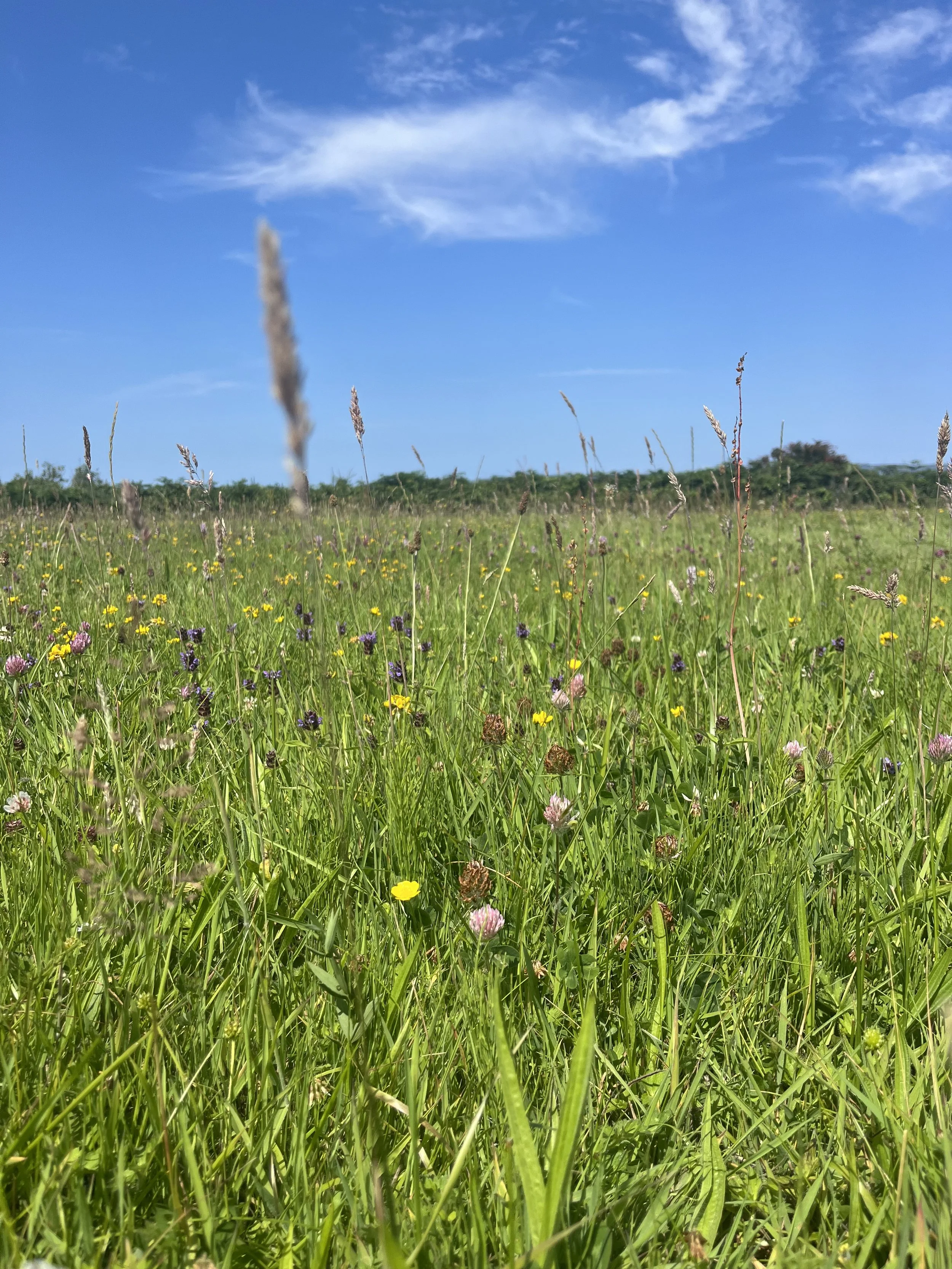
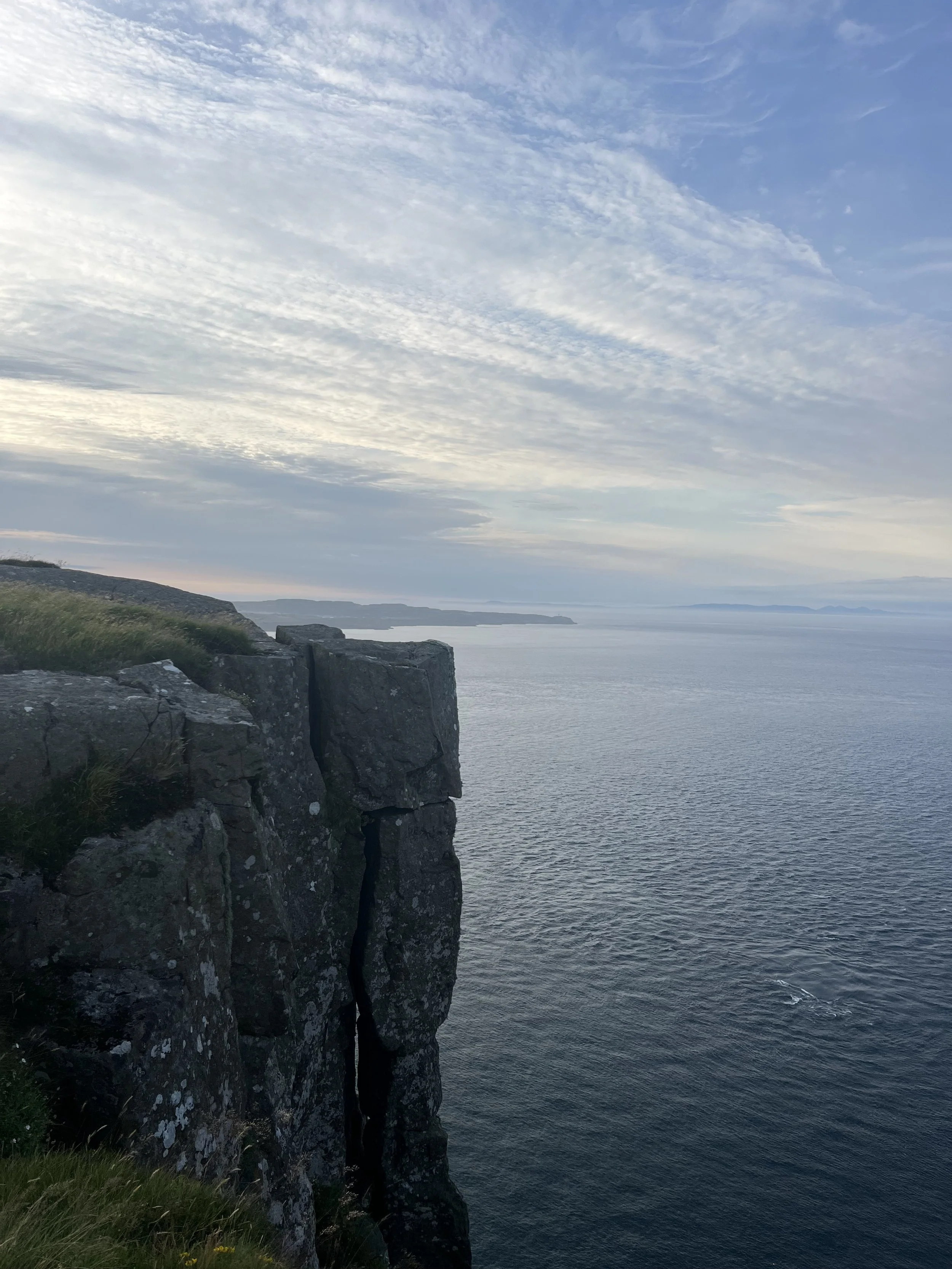
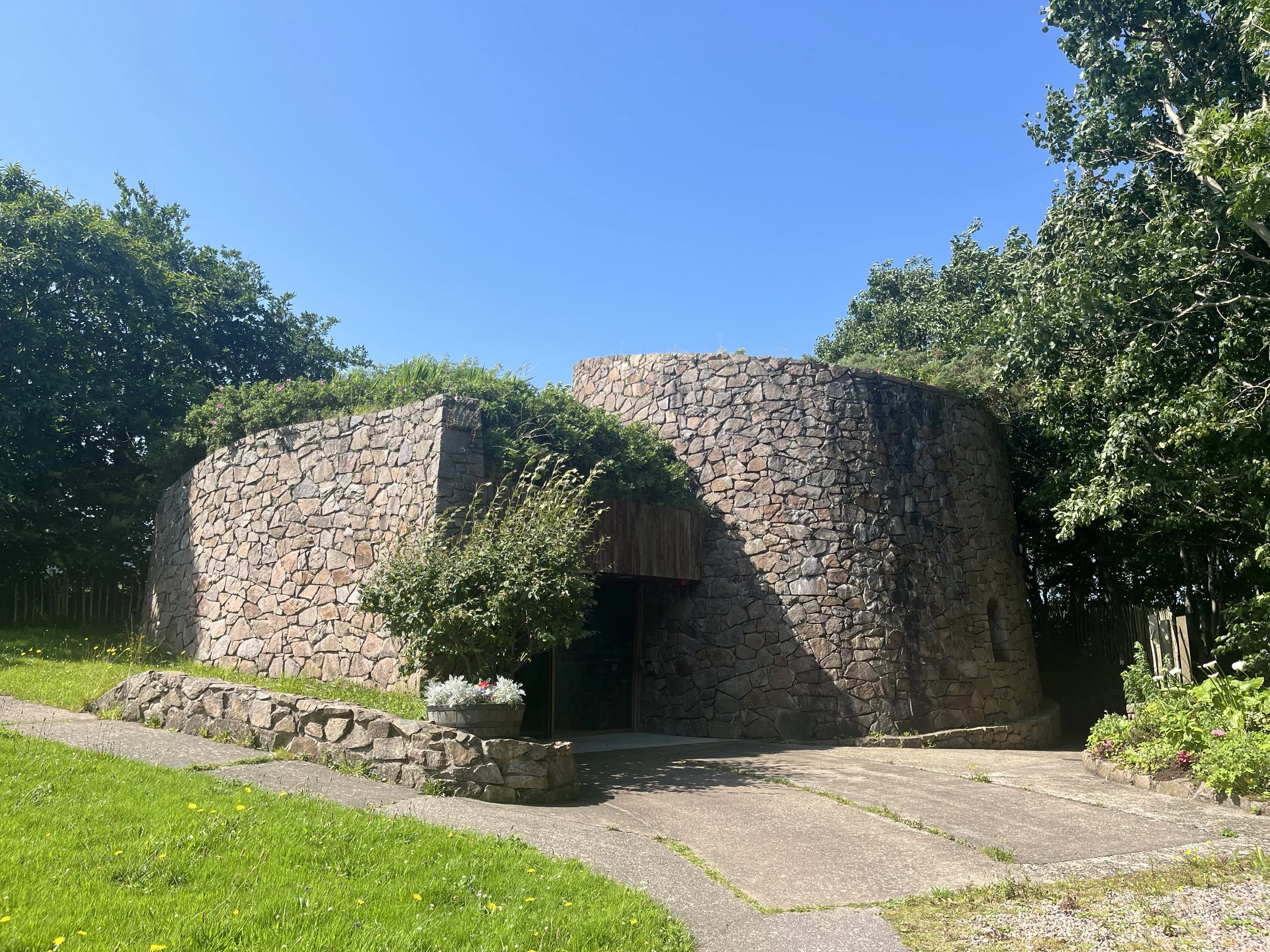
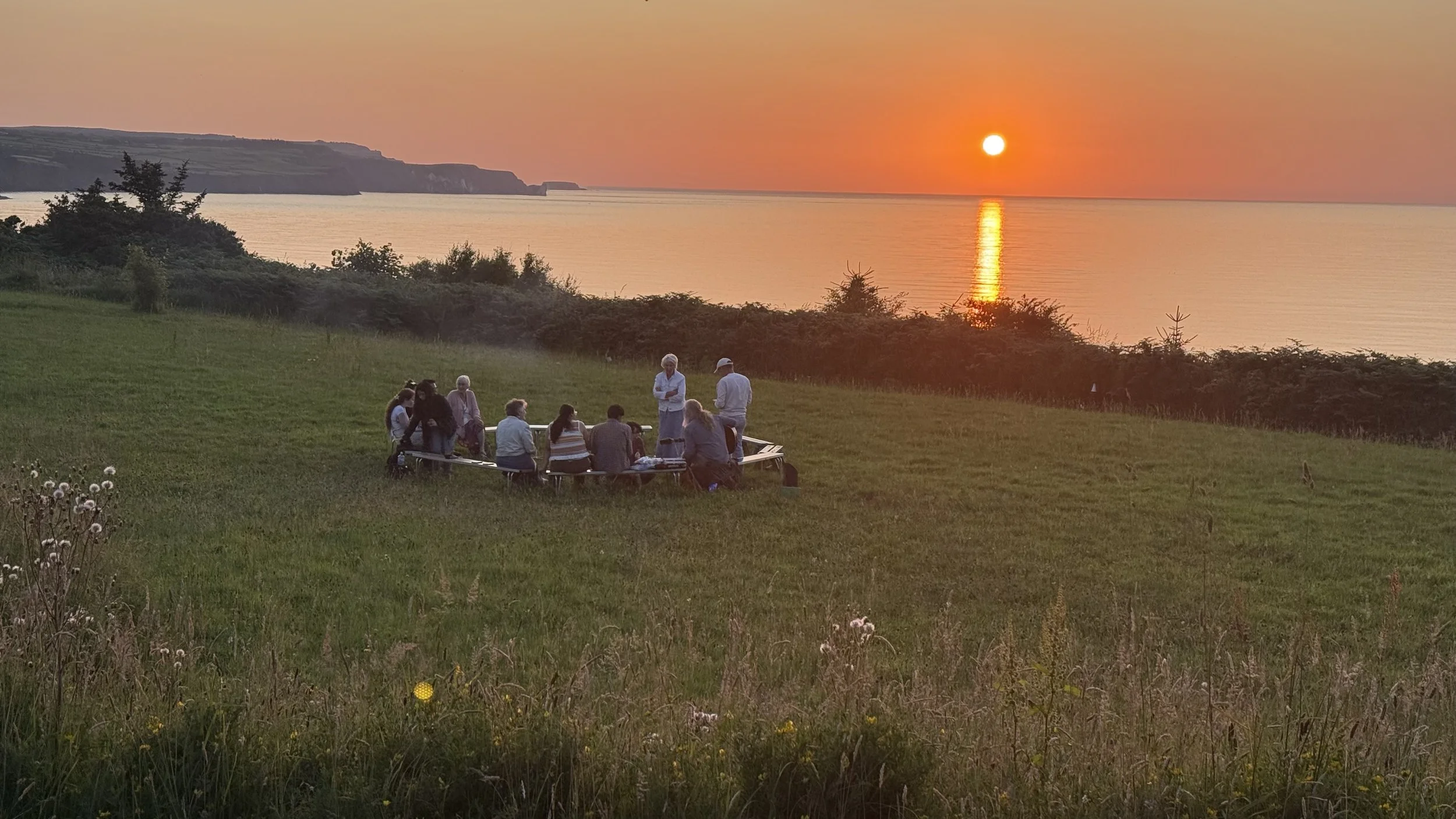
Corymeela sits on cliffs overlooking the Atlantic, surrounded by wildflowers. At the centre of the community is the Croí, a building designed in the shape of a heart. The different rooms form its chambers, with people moving between them like blood carrying life through a body. I loved the symbolism, although I don't think I fully understood it until we all gathered there on the first morning.
As I sat quietly in the Croí, looking around at everyone, I found myself unexpectedly overwhelmed. Nothing dramatic had happened. Nobody had stood up and delivered a life-changing speech. Yet I could suddenly feel tears welling up, and I had no idea where they had come from. Looking back, I think it was relief. Relief at finding myself in a place where nobody seemed to be performing. People were serious and joyful in equal measure. There was room for grief and laughter, sometimes within the very same conversation. I hadn't realised quite how much I'd been craving a space like that.
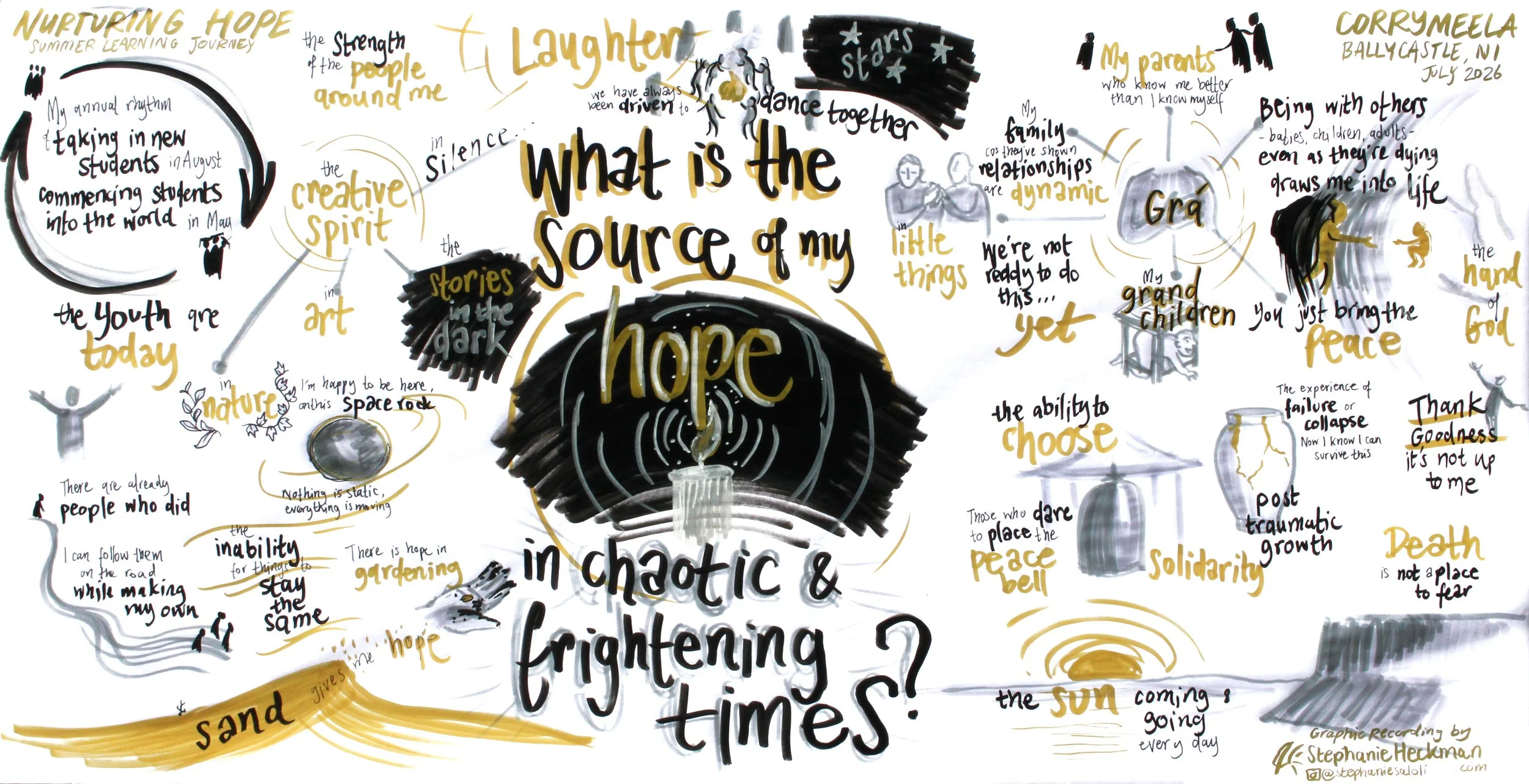
There were around seventy-five of us, aged between eighteen and eighty-three, from America, Colombia, the Netherlands, Ireland, Sudan, South Africa, Iran, Palestine, Israel, Ukraine, Lithuania, Germany, South Korea, New Zealand, Japan and many other places besides. On paper we were a collection of nationalities, cultures and identities. In reality, we quickly became something much simpler. We became people who shared meals, washed up together, swam in the sea every morning, laughed late into the evening and gradually entrusted one another with our stories.
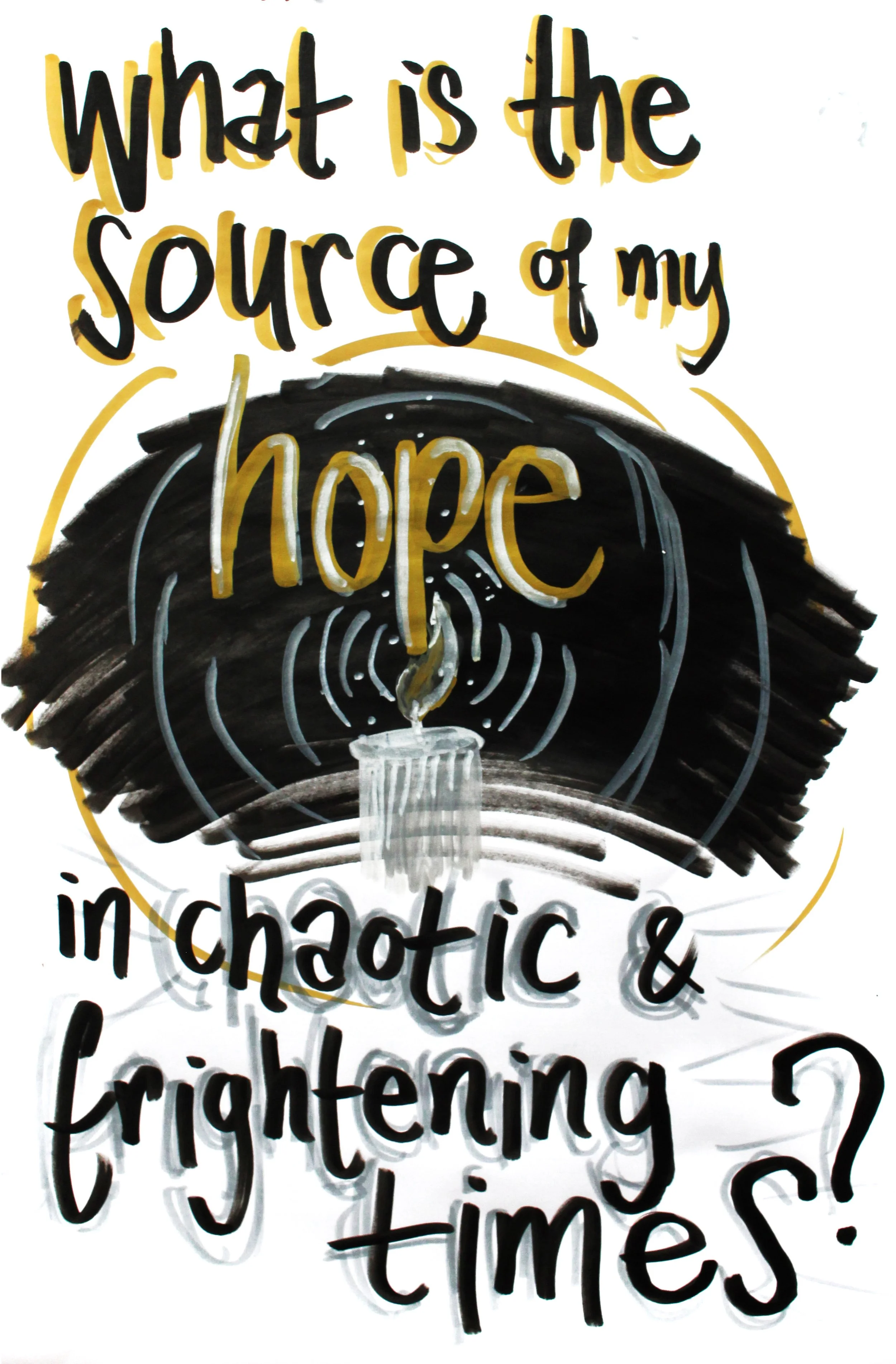
The week explored conflict, peacebuilding, hope, mimetic desire and the stories we tell ourselves, but what I carried home wasn't a collection of theories. It was a different way of seeing. The biggest shift for me was understanding that hope isn't optimism. It isn't pretending everything will somehow work out in the end. Throughout the week people kept returning to the idea that hope isn't something you possess but something you practise. I found myself surrounded by people who had lived through war, apartheid, displacement and deep political division. None of them spoke about hope as a feeling. They spoke about it as something that exists in relationships, something you choose every day through ordinary acts. It grows whenever people continue showing up for one another, continue making whatever honest contribution they can, however small it may seem.
That understanding completely reframed the word praxis for me. Hope isn't simply an idea to believe in or an emotion to wait for. It's something embodied. Something lived. It becomes visible in the choices we make, in the relationships we nurture and in the way we respond to the people around us. Hope only really exists when it takes shape in action.
That same thread ran through our conversations about peace. Before arriving, I probably thought about peace largely in political terms through treaties, institutions and negotiations. Those things matter, of course, but again and again our discussions returned to much smaller, more ordinary things. Sharing meals. Listening carefully. Asking better questions. Making room for someone else's experience. Peace began to feel much less like an ideology and much more like a relationship. It wasn't about persuading someone to agree with you. It was about creating the conditions where people could remain different while still belonging to one another.
One of the most moving parts of the week was a trans-local learning panel where people shared their lived experience of conflict and division. We heard stories from Ukraine, Palestine, Israel, Syria, South Africa during apartheid and from someone whose family had been separated when Korea was divided into North and South. I had expected a conversation centred on politics. Instead, it became something deeply human. We spoke about borders on maps, borders in our minds and the relationships that somehow continue to exist despite them. Aïka from the Nelson Mandela Institute spoke so thoughtfully about how systems of violence don't remain confined to governments or institutions. They reach into our closest and intimate relationships and quietly shape how we learn to relate to one another.
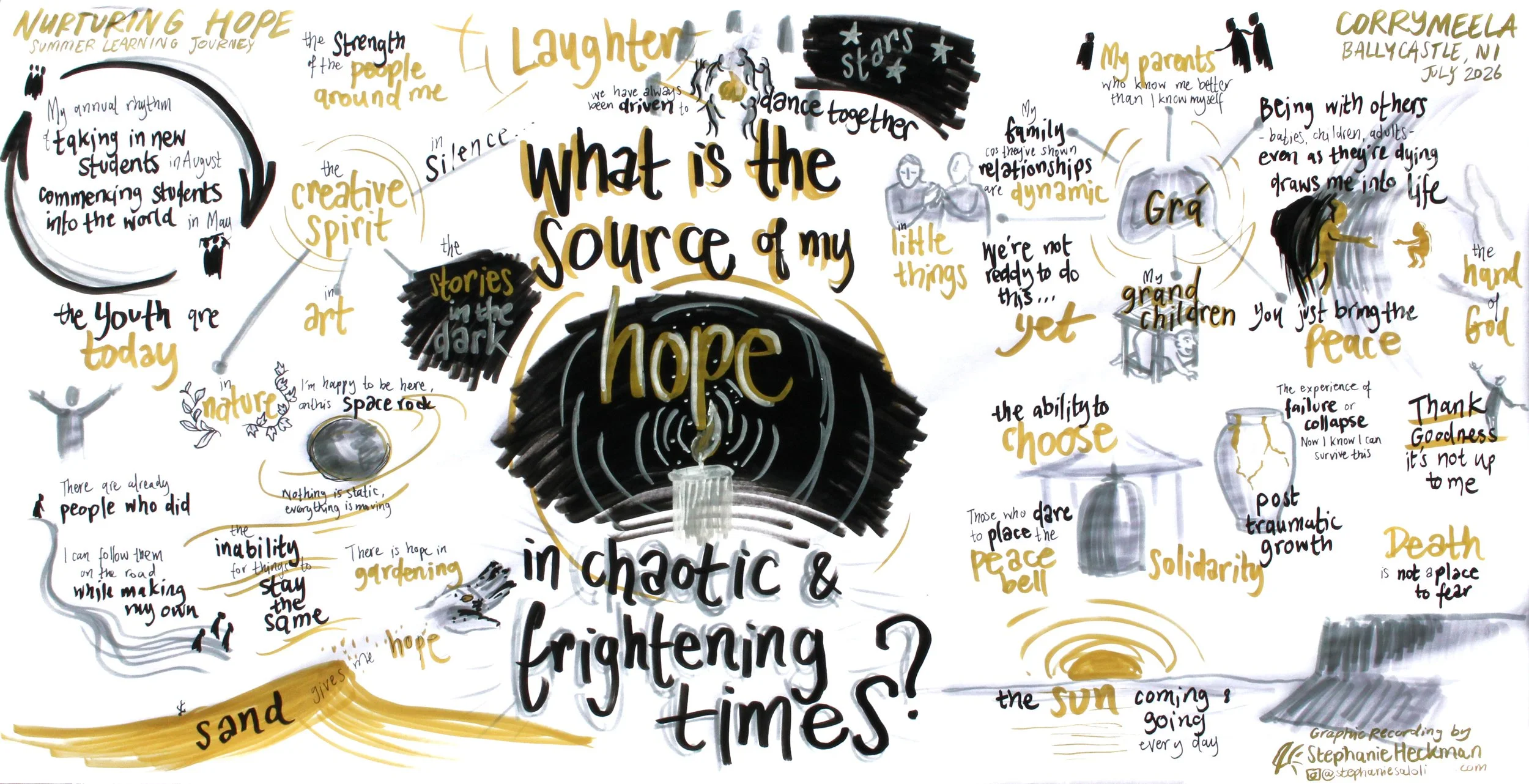
One phrase from that session has stayed with me ever since: the local is always complex. It sounds obvious, but it has lingered in my mind because complexity disappears so easily once people become headlines. It's much harder to reduce someone to a stereotype once you've sat with them, listened to their story and shared a meal together.
We also spent time exploring mimetic desire and the attention economy. We talked about how easily we begin wanting what everyone else wants, how outrage spreads almost automatically and how the internet quietly teaches us that attention is the same thing as value. I came home with a much smaller question than I expected. Not, "How do I fix all of this?" but simply, "What am I paying attention to?" Because what I choose to pay attention to shapes who I become. It made me realise how much of my life I'd spent consuming the world rather than inhabiting it, worrying about distant crises while sometimes overlooking the people already in front of me.
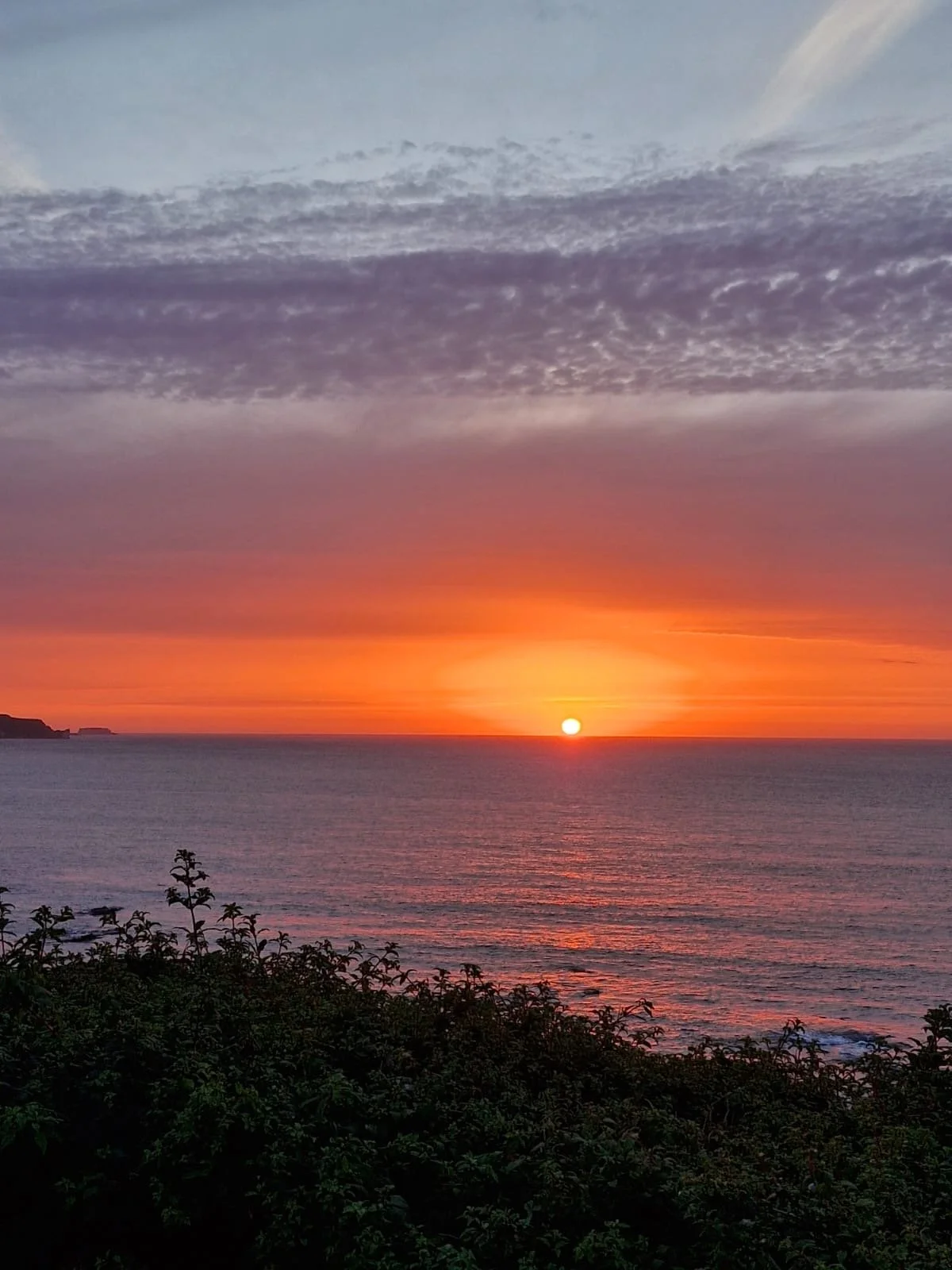
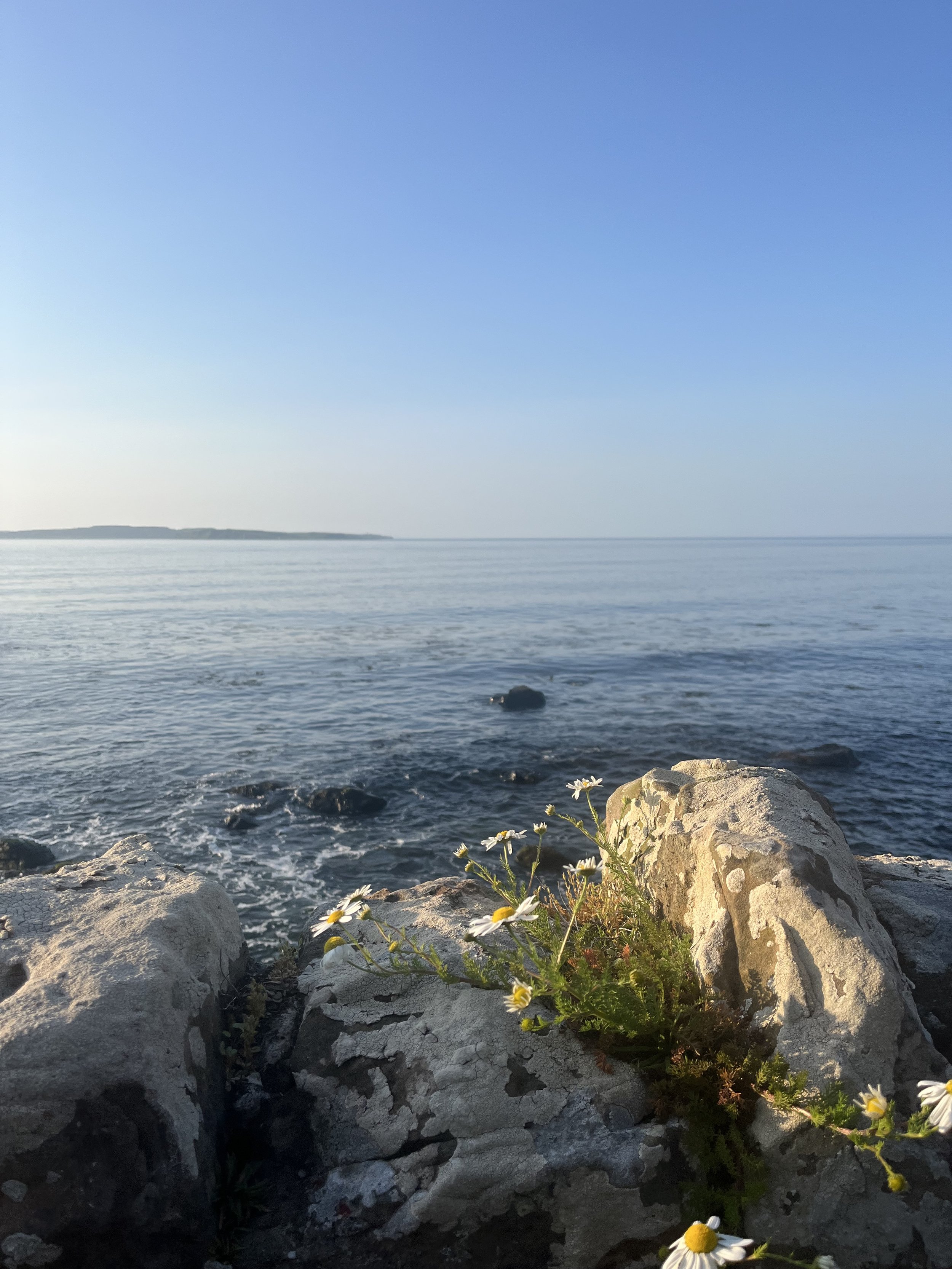
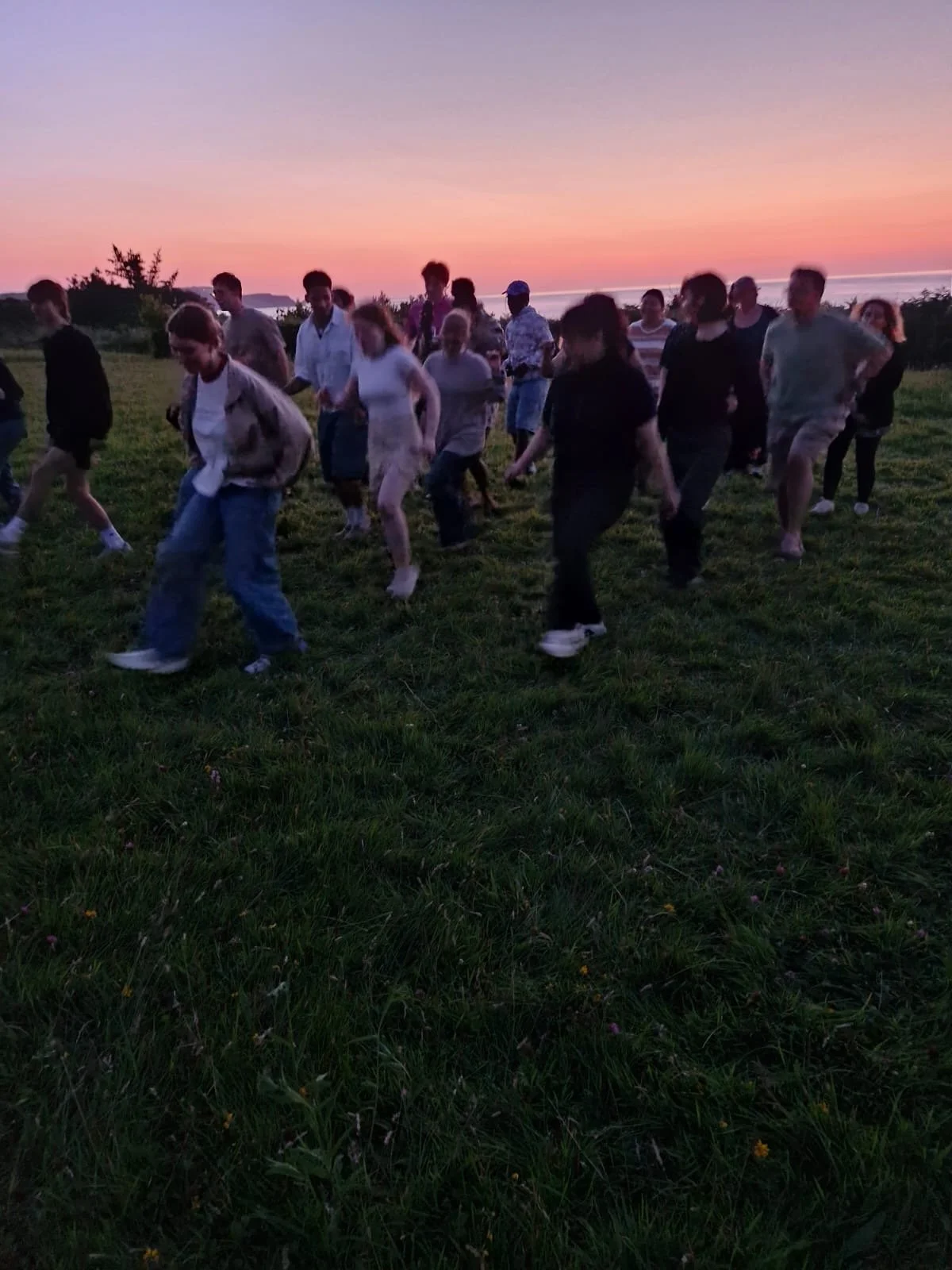
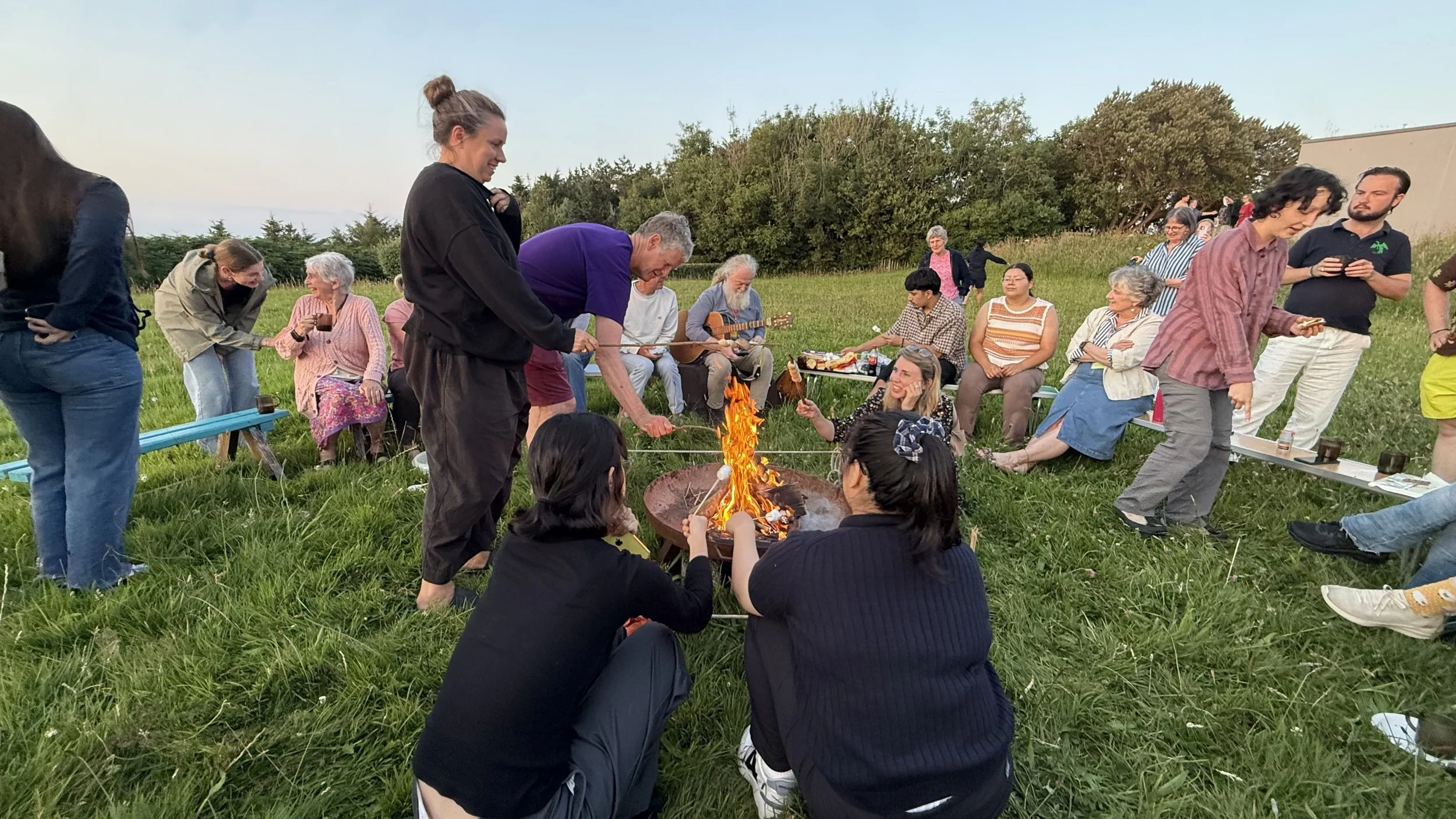
Some of the most important moments happened outside the formal sessions. Every morning a group of us swam in the Atlantic. Every evening we watched the sun disappear into the horizon. Meals became conversations that stretched long after the plates had been cleared away. We laughed constantly. On the final evening we gathered around a bonfire overlooking the sea. Someone started teaching a Ukrainian dance, then someone from Texas taught line dancing. Watching people in their twenties patiently teaching people three times their age, seeing friendships form across countries and generations, watching people dance, flirt and quietly fall in love with one another and with life itself, I found myself wondering whether we've misunderstood something fundamental about being human.
So much of the world tells us that our natural state is competition, that difference inevitably leads to division and that tribalism is somehow inevitable. Standing around that fire, none of that felt true. It seemed that when people are given enough safety and enough time, they naturally gather. They tell stories. They laugh. They dance. They care for one another. For all we'd talked about hope during the week, I don't think anyone could have explained it more convincingly than that evening around the fire.
One thing I've struggled to explain since coming home is that the week felt deeply spiritual. Not because everyone agreed or shared the same beliefs. Quite the opposite. Corymeela isn't built around a single faith tradition. Some people were Christian, some Muslim, some Jewish, some atheist, and many occupied places somewhere in between. Everyone was welcomed into the rhythms of the community without ever being asked to become someone they weren't.
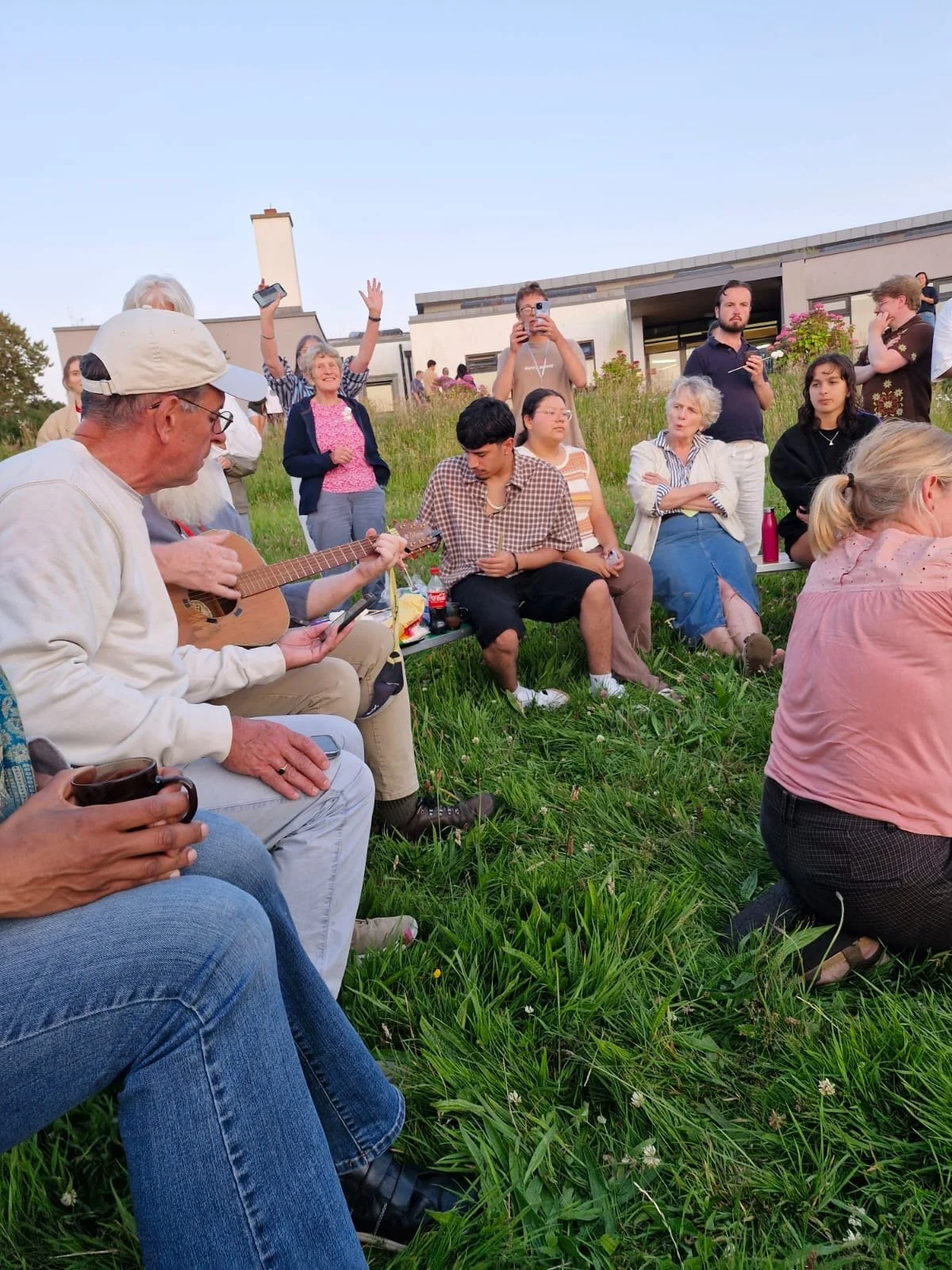
I've spent time in communities that describe themselves as spiritual, but this felt different because nobody seemed to be trying to manufacture the experience. It emerged naturally through the way people related to one another. The honesty. The care. The willingness to listen. The laughter. The grief that could simply be held without anyone rushing to solve it. For me, that became the closest I've ever come to believing there is something bigger than us. Not because somebody explained it, but because I caught glimpses of it in the space between people. It was almost as though the sacred wasn't something we each carried individually but something that appeared whenever relationship took precedence over rivalry.
Another phrase from the week still makes me smile. People spoke affectionately about what they called "pathetic projects". Tiny things that seem too small to matter. A shared meal. Children making art together. An invitation. A conversation. The kinds of acts that will never make the news or change an algorithm but might quietly change a relationship. I've spent much of my life asking how to make an impact. I'm beginning to think that perhaps impact was never the right question. Contribution feels much more honest.
On the final day, as everyone was leaving, I found myself saying goodbye to Mathilde. Mathilde and I had had a conversation about plants briefly and we had sat and talked about how Corymeela was organised between lectures. Beyond that I knew she was retired and a widower. We'd barely spent any time together one to one all week other than a few brief conversations as mentioned, yet in the final croi service I knew I needed to give her a hug and say goodbye. I found her in the canteen and asked if I could hug her and then neither of us wanted to let go, she asked me “how did you know” I replied that I didn’t. Somehow we both knew we were grieving something, even though we'd never spoken about what that grief was. Nothing needed explaining. I think this will be one of the most profoundly human experiences I’ve ever experienced, knowing that someone else and myself needs something more than words and that can come through a hug.
There's a saying at Corymeela that "Corymeela starts when you leave." I'm still unpacking what that means, but I know I've come home asking different questions. I think less now about what on earth I can do that's useful and more about how I stay human. I'm less concerned with success and more interested in what good work actually looks like. I'm less preoccupied with making an impact and more drawn towards making an honest contribution wherever I happen to be.
Someone much wiser than me said during the week, "I came looking for hope and left with relationships." Perhaps hope isn't something waiting to be discovered after all. Perhaps it is something we practise together. Something that quietly emerges every time we make room for one another, choose relationship over rivalry and keep showing up, even when the future remains uncertain. If that's true, then hope isn't simply something to believe in. It's a way of living.
With love,
Laura
